
C04 – Simulations of Chemical Reactivities
Simulation of chemical reactivities
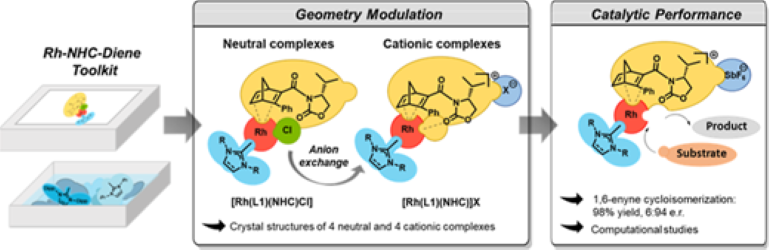
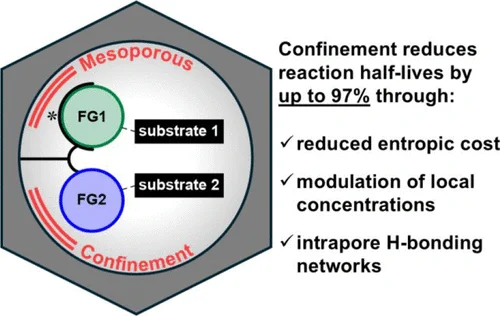
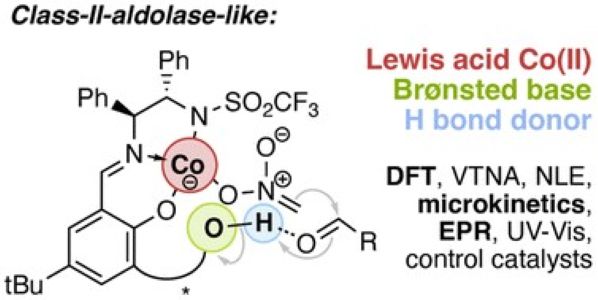
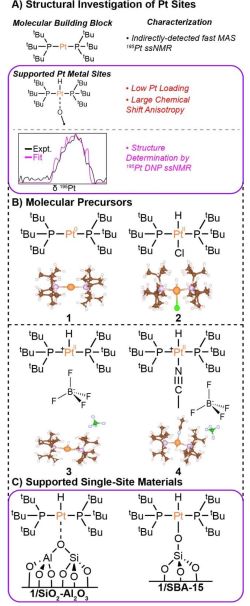
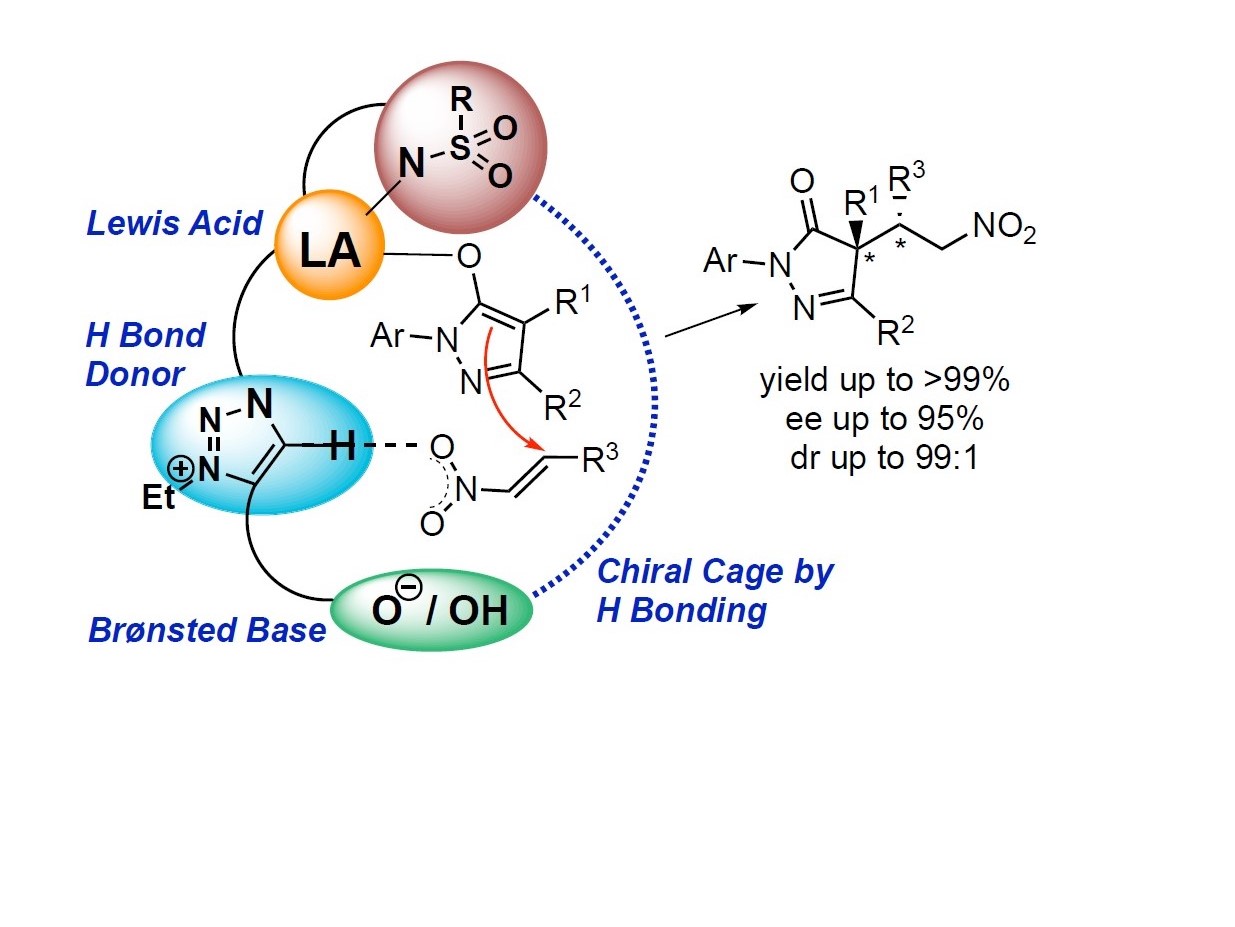
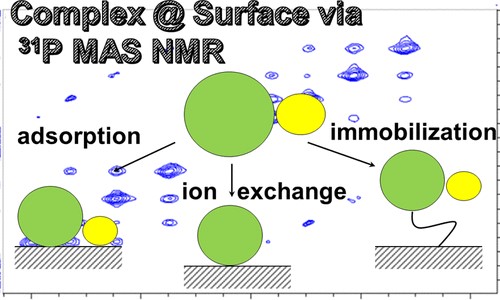
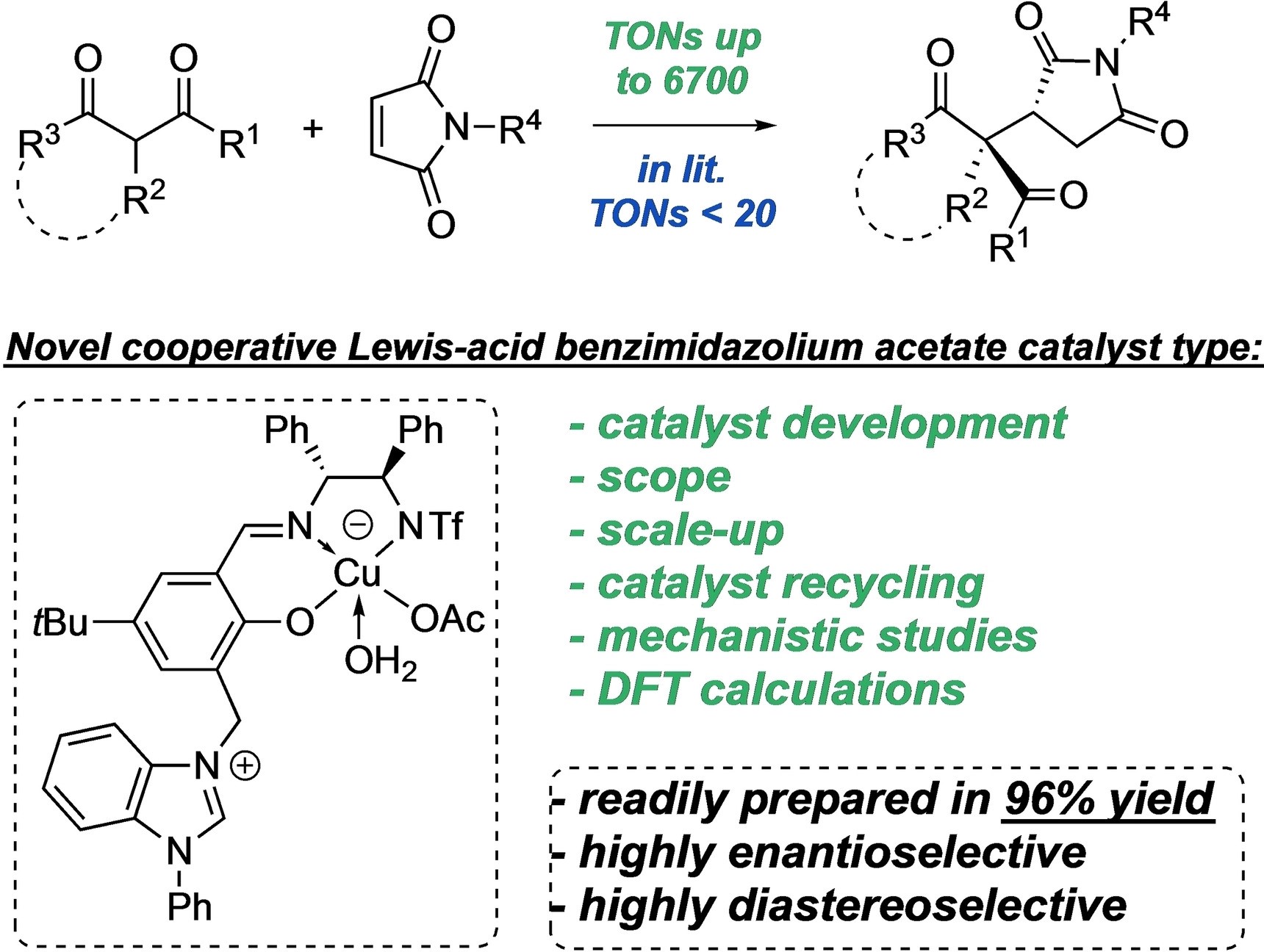
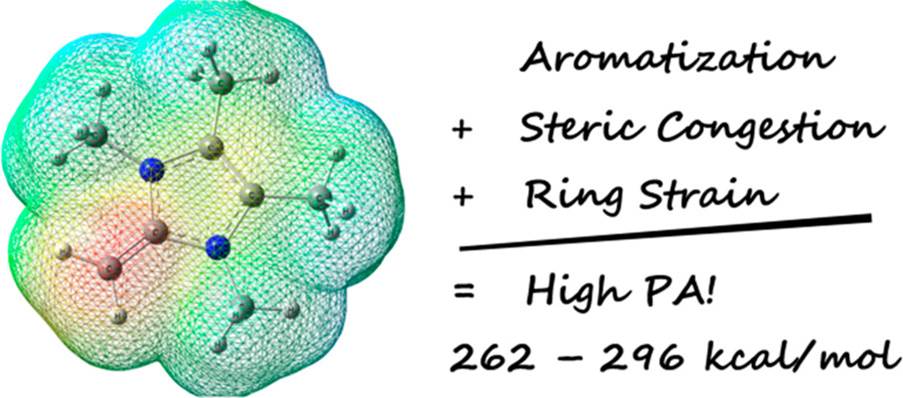
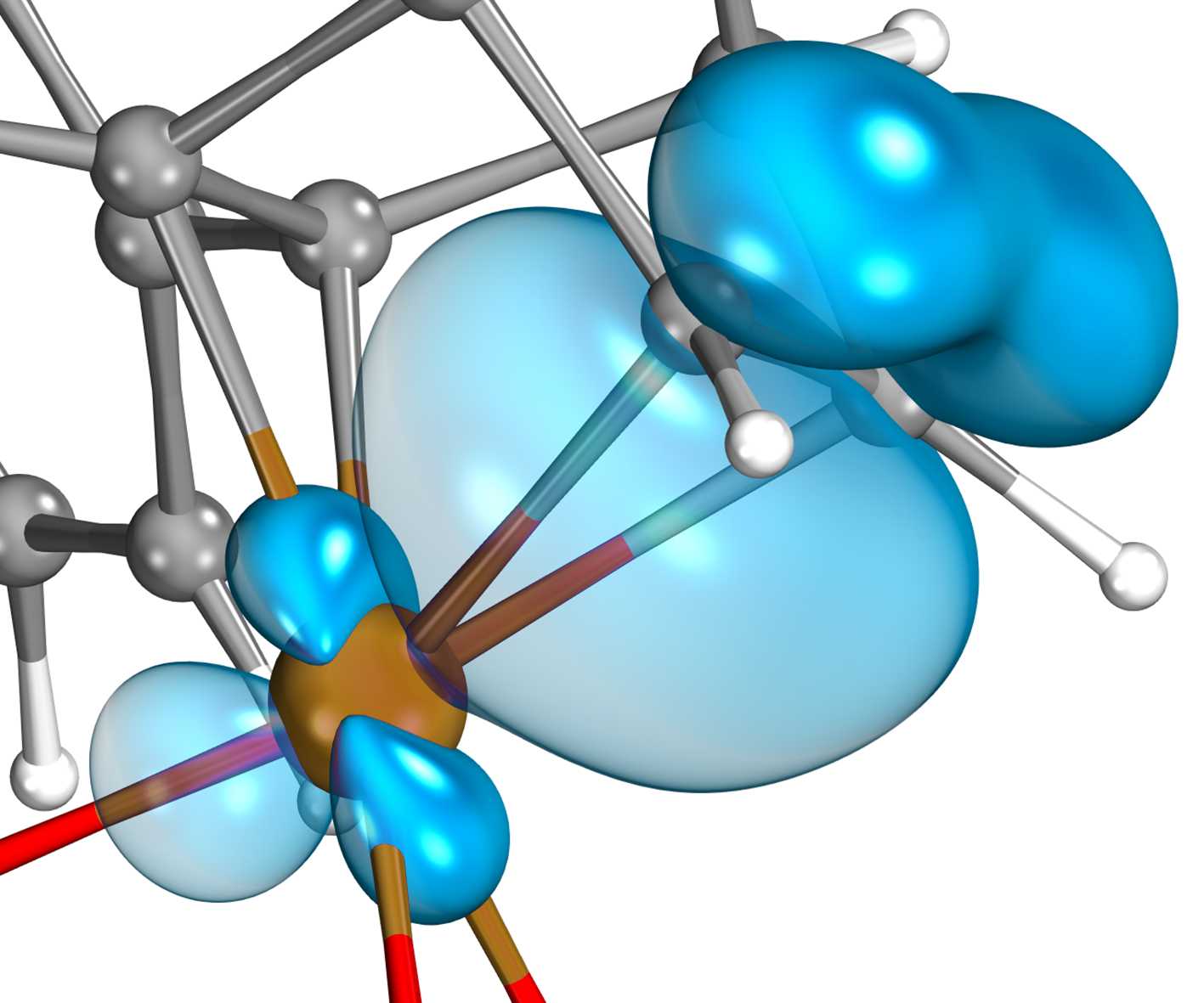
We will utilize quantum-chemical methods to obtain free-energy profiles of catalytic reaction mechanisms. Rate constants derived from these profiles enable microkinetic modeling, which is validated against experimental concentration-time data. Fitting provides “experimental barriers” for comparison with computed ones, resolving missing pathways or wrong barriers. We will also compute NMR and vibrational spectra to aid in the assignment. The simulations give molecular insight for the rational use of confinement effects.
Research focus in the second funding period (2022-2026):
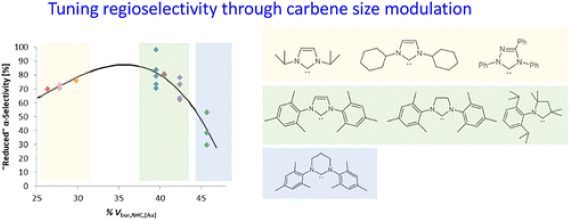
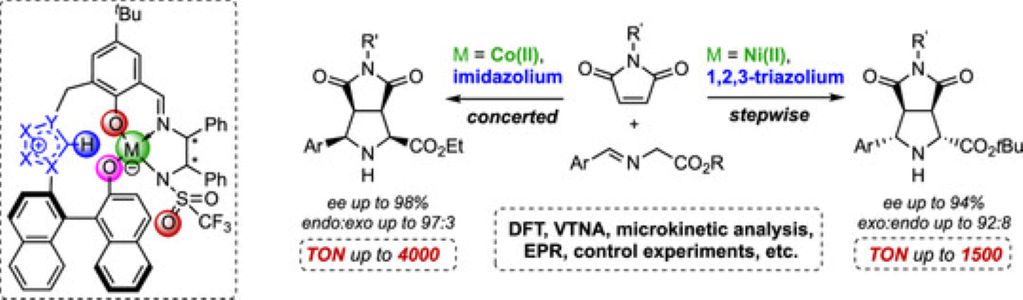
Simulation of chemical reactivities, QM/MM, DFT: Simulation of reaction mechanisms, barriers, turnover frequencies, selectivities, and steric requirements for the new reactions entering the CRC.
Research Questions
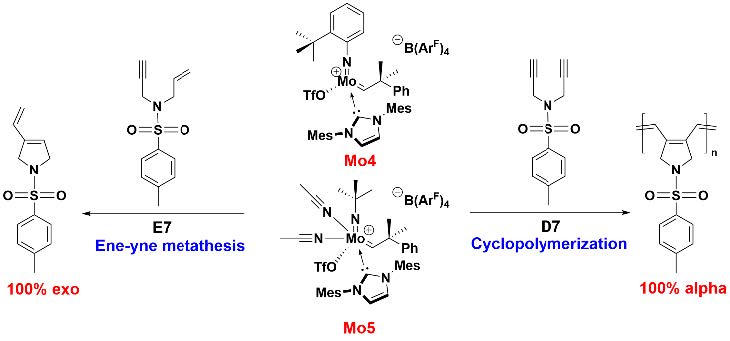
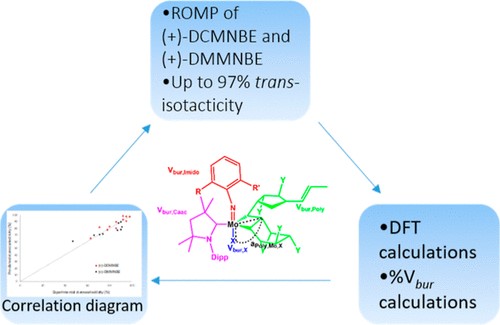
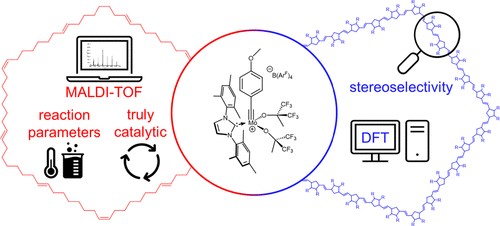
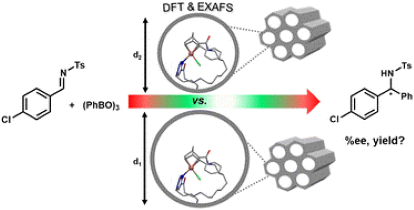
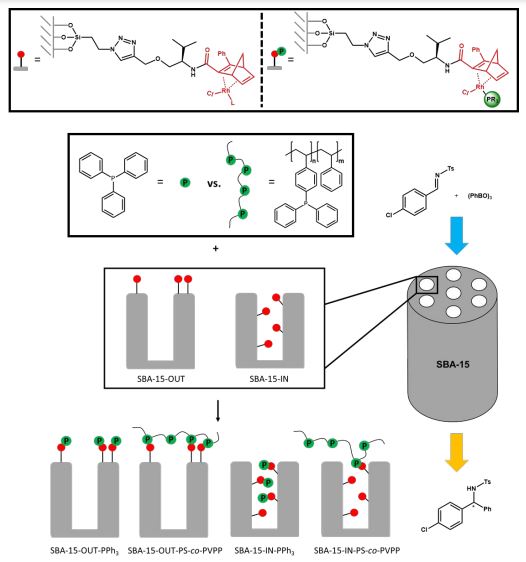
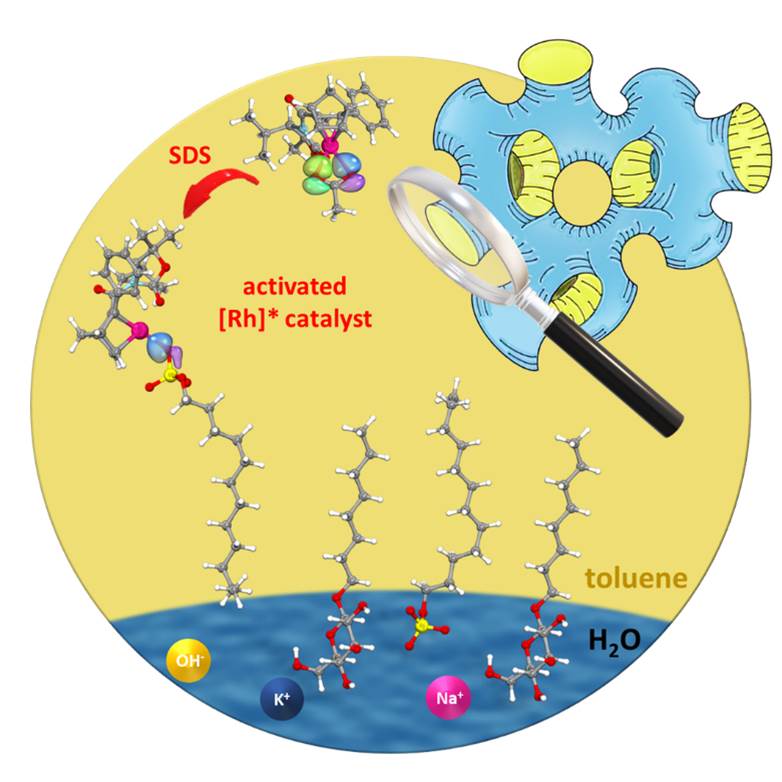
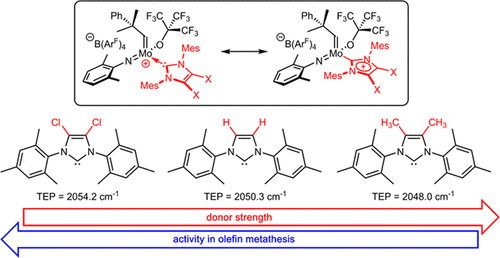
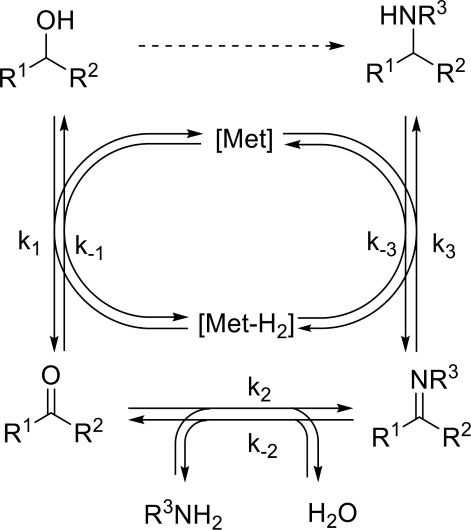
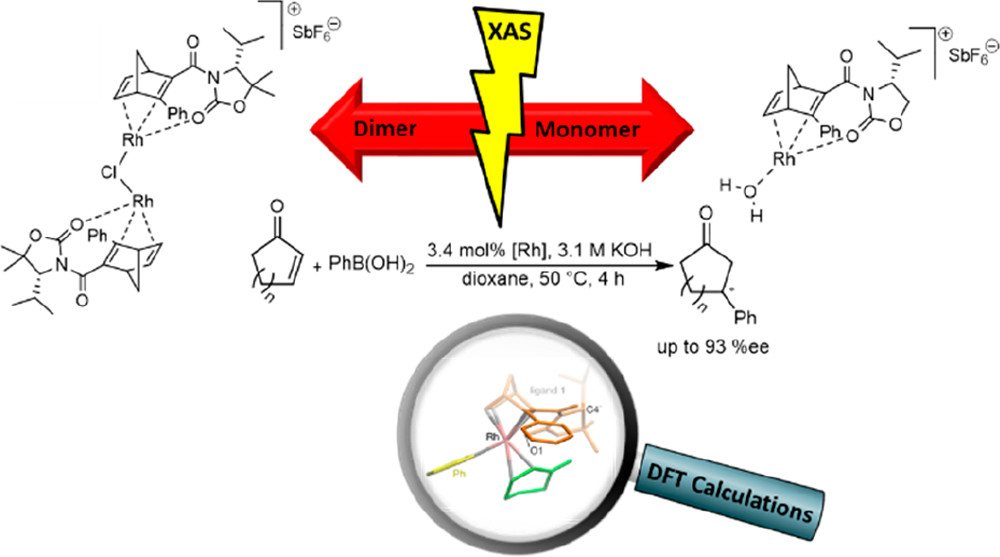
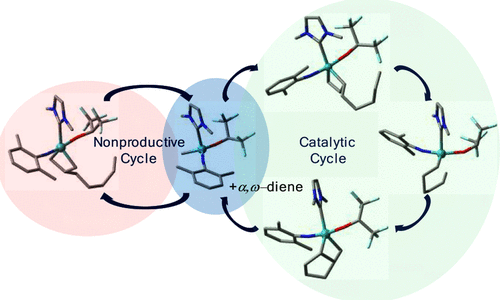
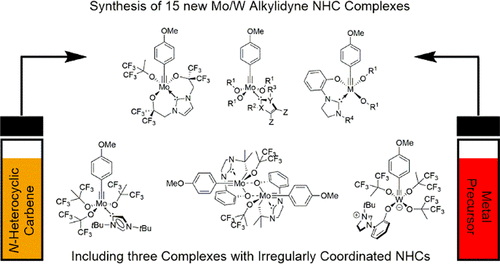
- What are the atomistic details of the reaction mechanisms of olefin metathesis, rhodium-catalyzed asymmetric addition reactions, or ruthenium-catalyzed amine formation? Our understanding of the reaction mechanism allows us to tailor the properties of linkers and pores to the reaction.
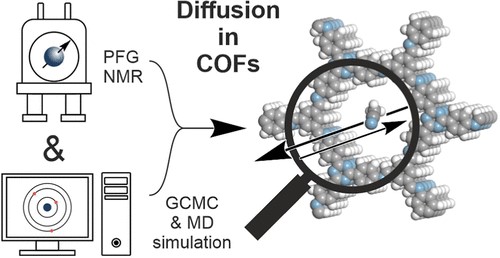
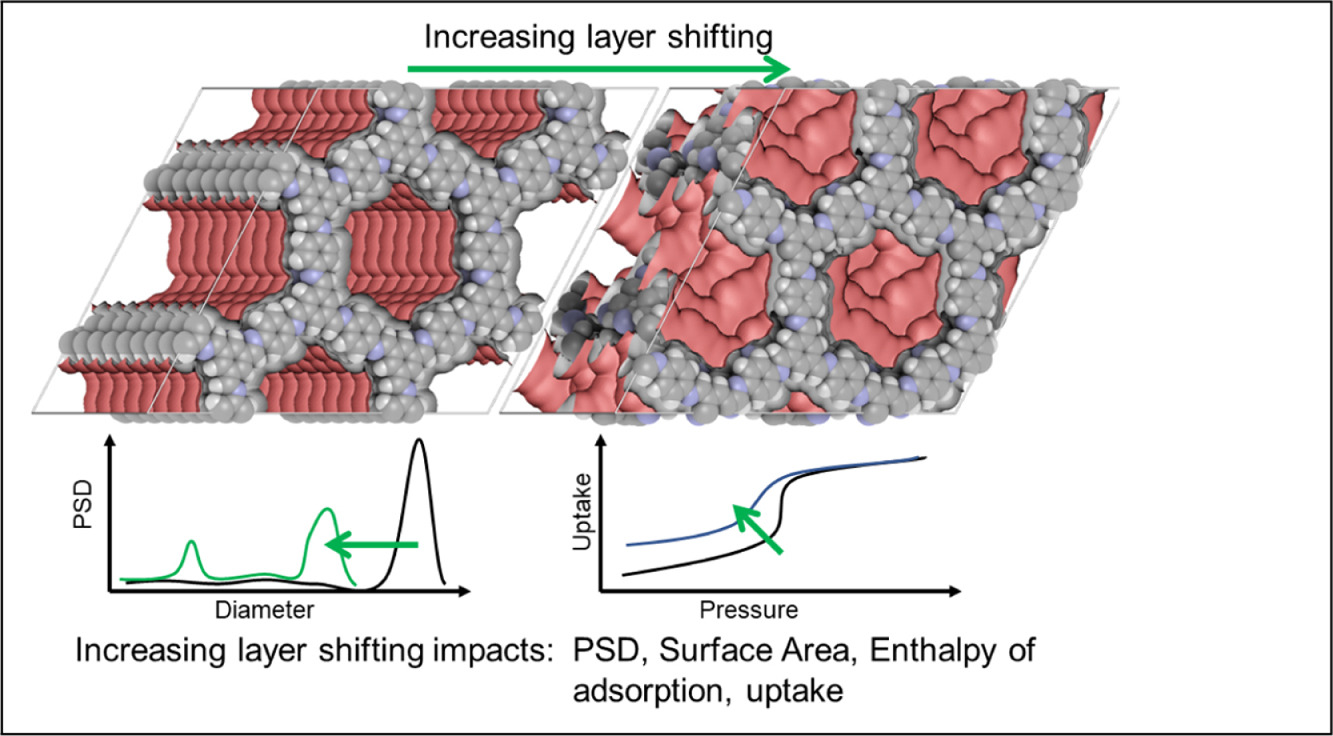
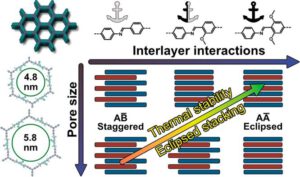
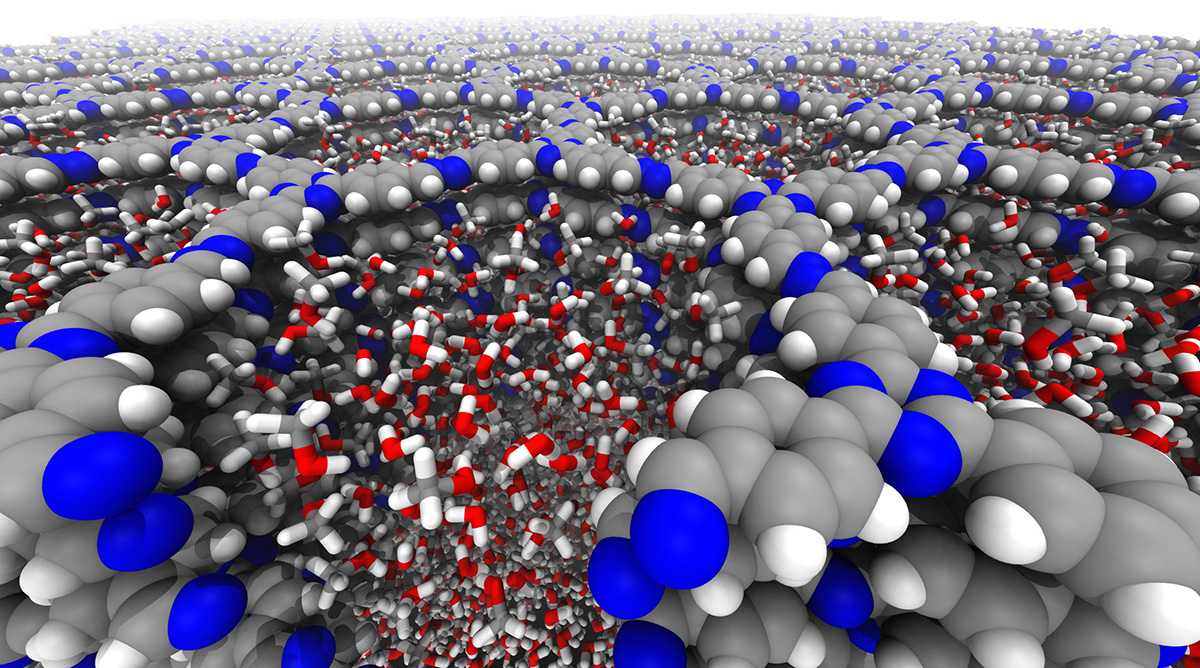
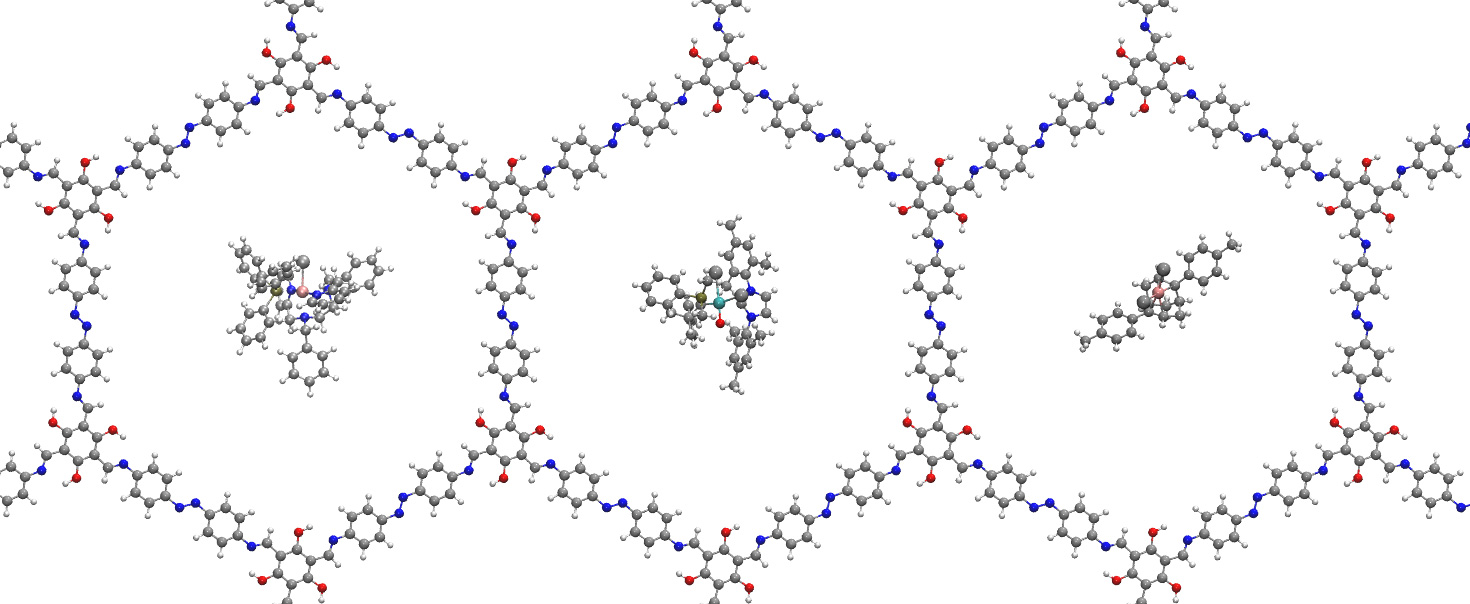
- Which ingredients are needed to create large-pore COFs? Interlayer displacements of 2D COFs reduce their pore size. Substitutions anchor each layer to the next one. Our simulations shed light on the energetics of structural rearrangements.
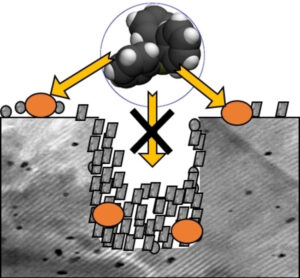
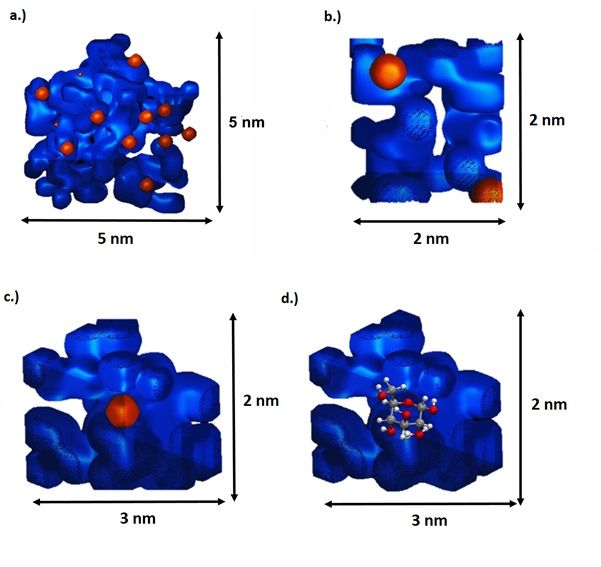
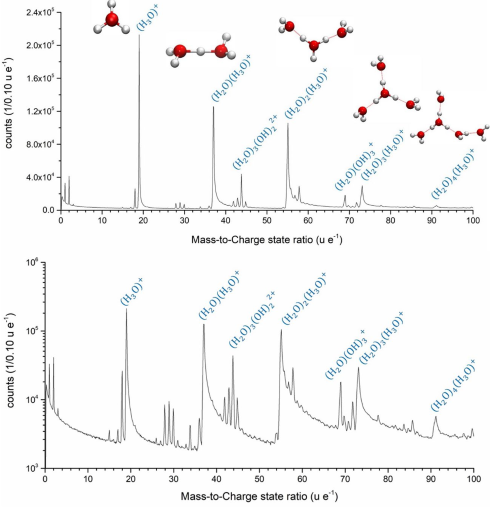
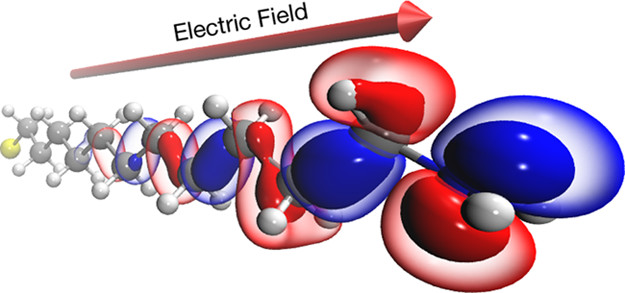
- How do molecules fragment and desorb in atom-probe tomography? Computational techniques needed to be established to help the extension of APT to soft matter.