


Collaborative Research Center 1333

Molecular Heterogeneous Catalysis
in Confined Geometries

B06 – Data-Based Design of Confined Catalysis

Prof. Dr. Michael R. Buchmeiser
University of Stuttgart
Prof. Dr. René Peters
University of Stuttgart
Prof. Dr. Johannes Kästner
University of Stuttgart
Janis Gschwind
Janis Gschwind
University of Stuttgart
Lucca Pfitzer
Lucca Pfitzer
University of Stuttgart
Stefan Dominik Reimer
University of Stuttgart
Severin Haid
Severin Haid
University of Stuttgart

Machine Learning for the Data-Based Design of Enzyme-Inspired Systems Formed of Polyfunctional Enantioselective Catalysts Immobilized in Mesoporous Materials

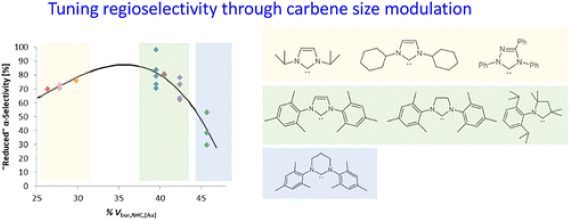
We will develop an efficient approach to polyfunctional confined catalysts. Methods of organic chemistry and materials science will be combined with data science and machine learning techniques that provide a multivariate regression. With the help of quantum chemical calculations, molecular descriptors will be identified to describe the parent homogeneous catalysts. Methods will be established to parametrize the properties of the mesoporous supports and the linkers. Multivariate regression will be used to correlate the selected parameters with the observed activity and stereoselectivity.

Research focus in the second funding period (2022-2026):
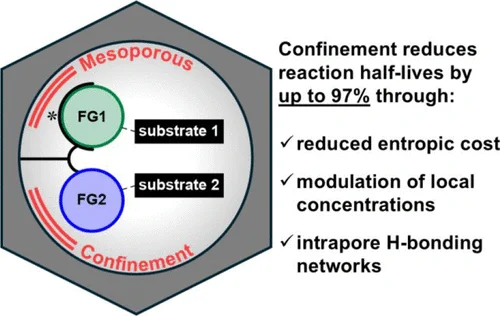
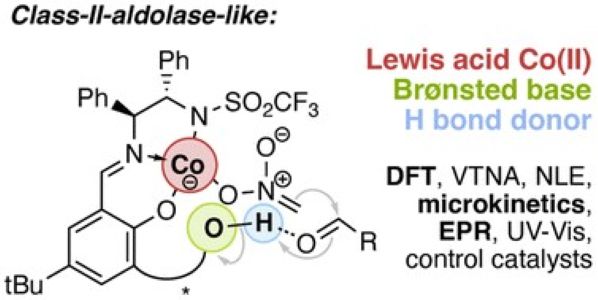
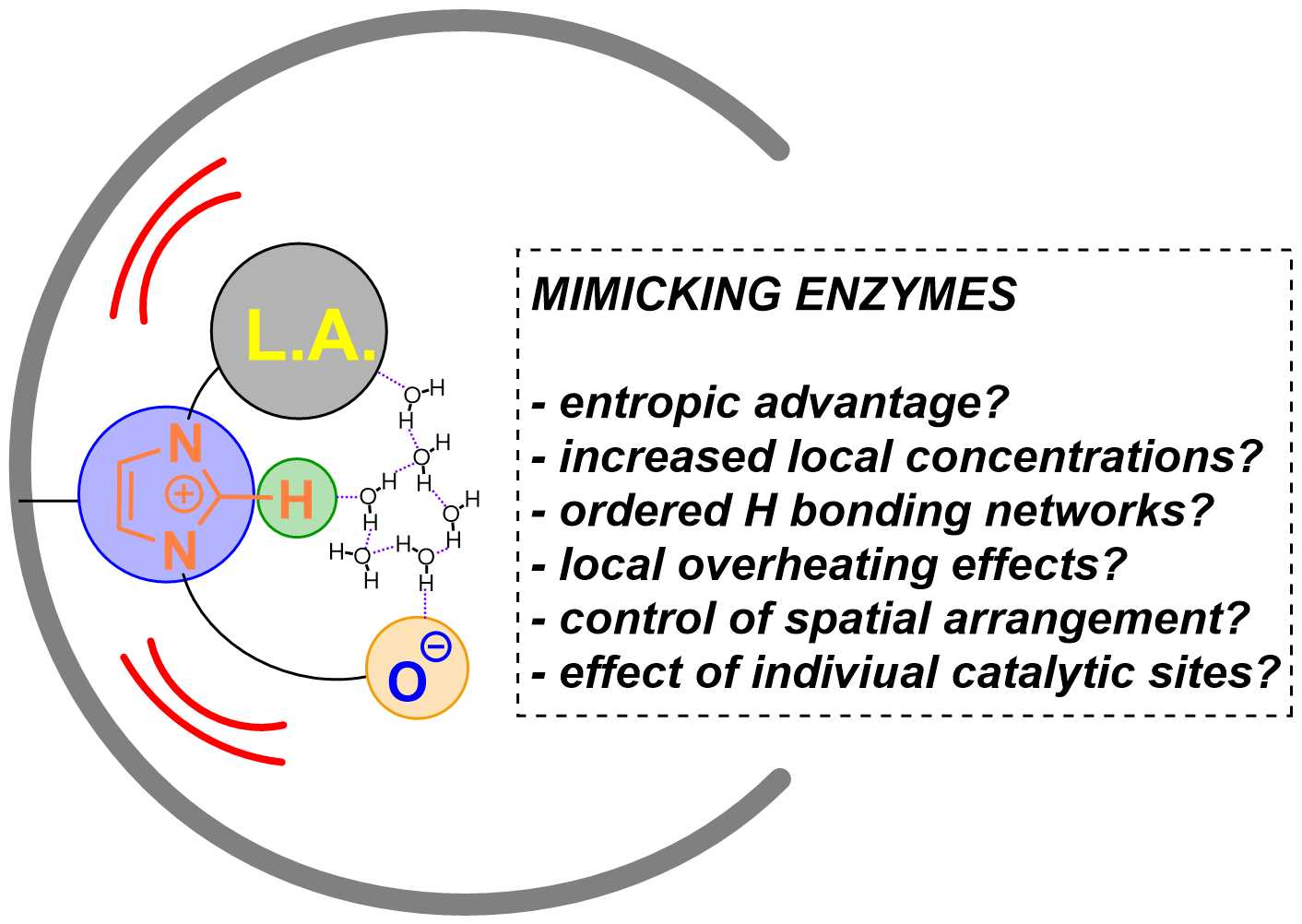
Cooperative asymmetric dual / multiple activation catalysis under confinement: Understanding of cooperative symmetric catalysis under confinement. Major questions werewhether the entropic advantage observed with enzymes resulting from H-bonding networks can be transferred to bi-/trifunctional catalysts immobilized in mesoporous supports and whether this assembly can be used for a self-preorganization of the participating catalytic centers to allow for the targeted synergistic effects.