
C02 – Advanced EPR of (Electro)Catalytic Reactions
Advanced Electron Paramagnetic Resonance Spectroscopic Investigation of (Electro-) Catalytic Reactions
We will employ advanced multifrequency electron paramagnetic resonance techniques to investigate the local electronic structures of the catalysts used in CRC1333. Pulsed hyperfine spectroscopy will provide information on the local surroundings of the paramagnetic metal ions. Secondly, pulsed (dipolar) EPR will be used to determine distances between metal centers, obtain further information about the distribution of the catalysts in the pores. Thus, we will quantify the confinement effects utilized in CRC1333.
Research focus in the first funding period (2018-2022): The static and dynamic electronic and geometric structure of multiprobe organometallic complexes in porous polymers
Former co-PI: Dr. Mark Ringenberg
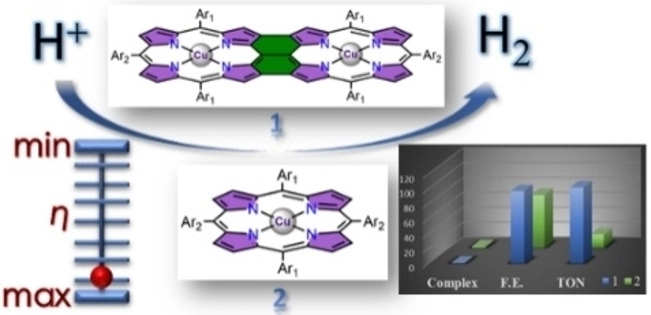
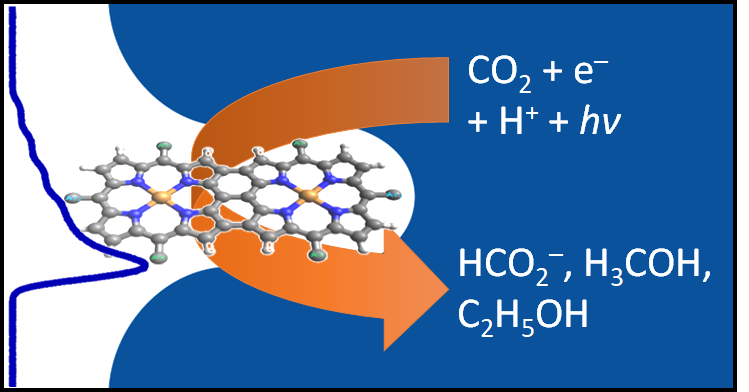
Research focus in the second funding period (2022-2026): Metal complexes of porphyrinoids and pyridyl-carbenes as molecular photo-/electro-catalysts in confined geometries
Former co-PI: Prof. Dr. Biprajit Sarkar
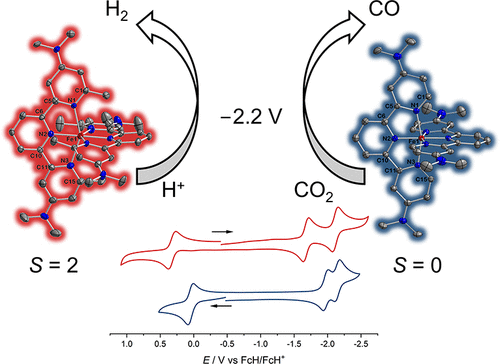
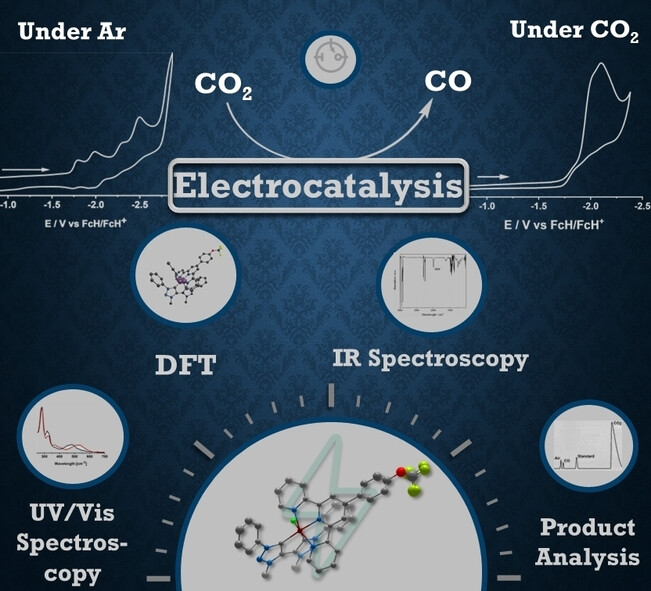
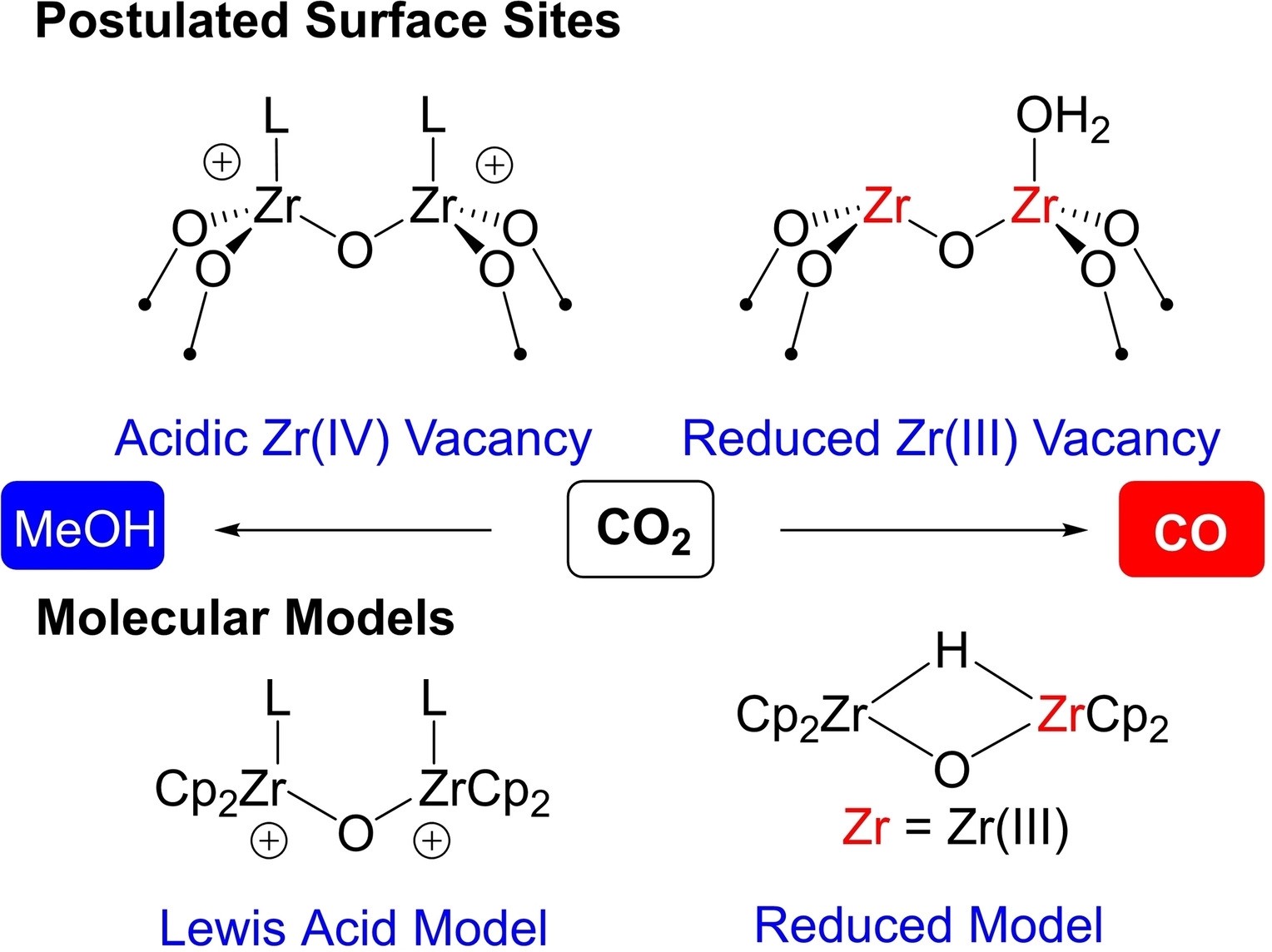
Sequestering climate-unfriendly CO2 and utilizing it to generate useful chemicals is one of the grand challenges of the current age. One of the possible strategies to this end is the electrocatalytic reduction of CO2. However, this usually gives CO or formate as end products, which have limited value. Hence, there is a need for developing processes that lead to C2 and higher products. In this project, we will develop and immobilize well-defined molecular catalysts in mesoporous materials to improve the CO2 reduction reaction (CO2RR) by: i) preconcentrating CO2, ii) improving selectivity for CO2RR over hydrogen production and for C≥2 over C1 products.