






A03 – Covalent Organic Frameworks (COFs) in electrocatalytic CO2 reductions
Electrocatalysis under confinement: Carbon dioxide reduction with COF catalysts
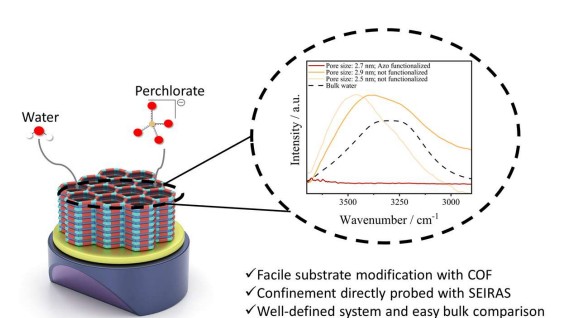
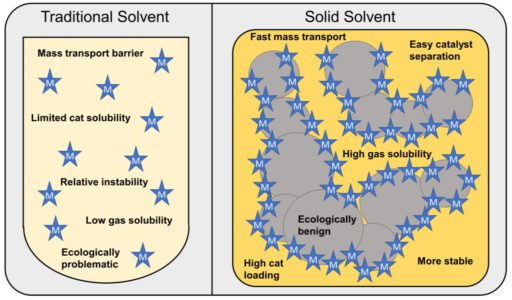
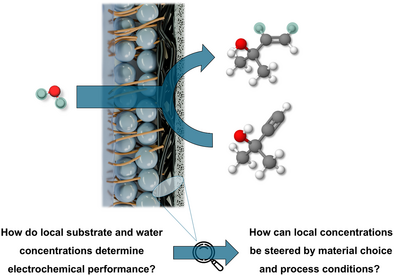
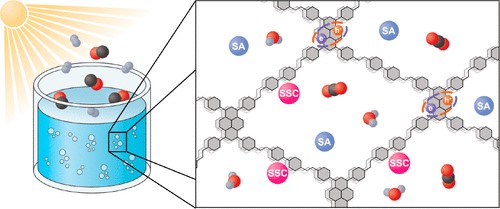
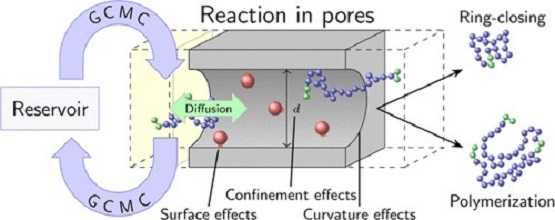
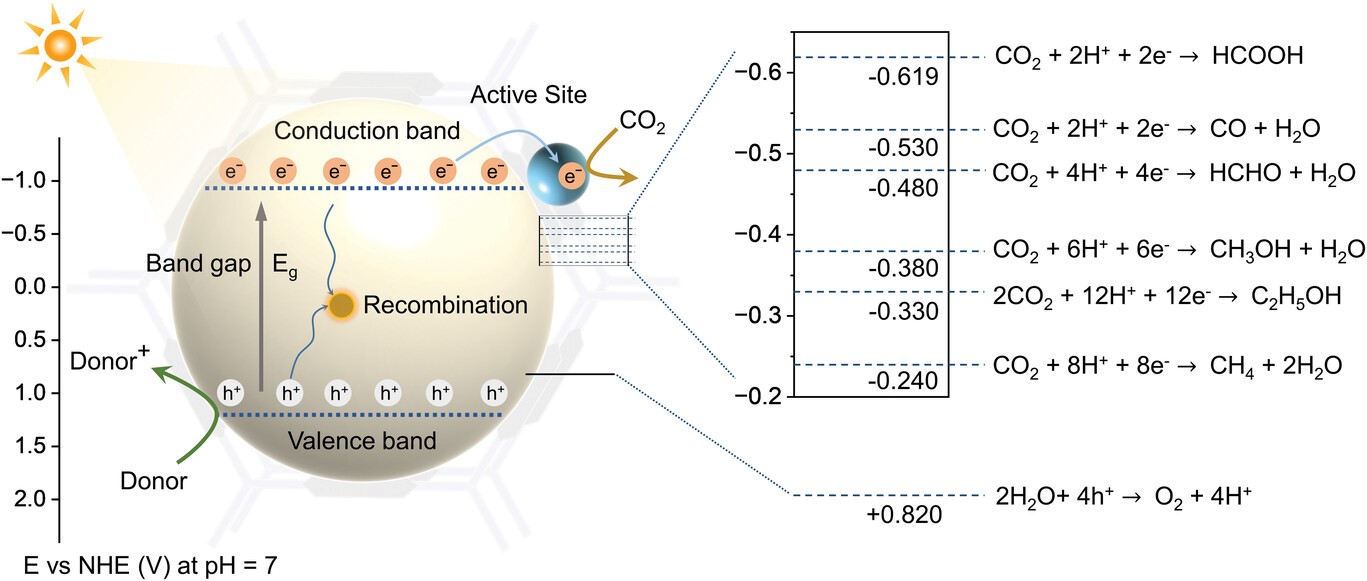
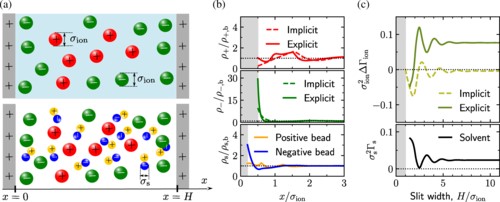
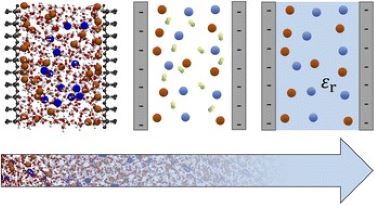
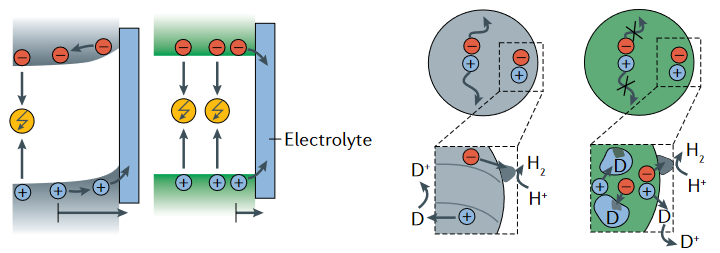
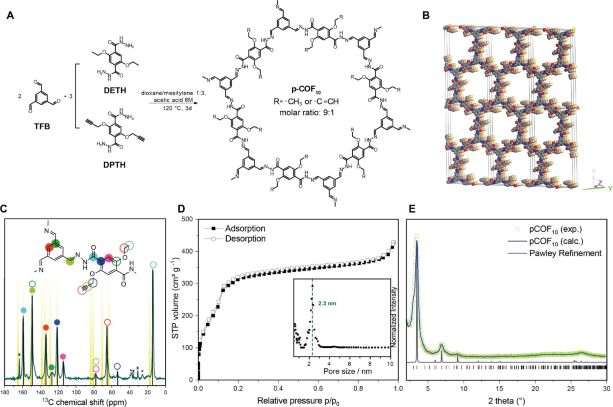
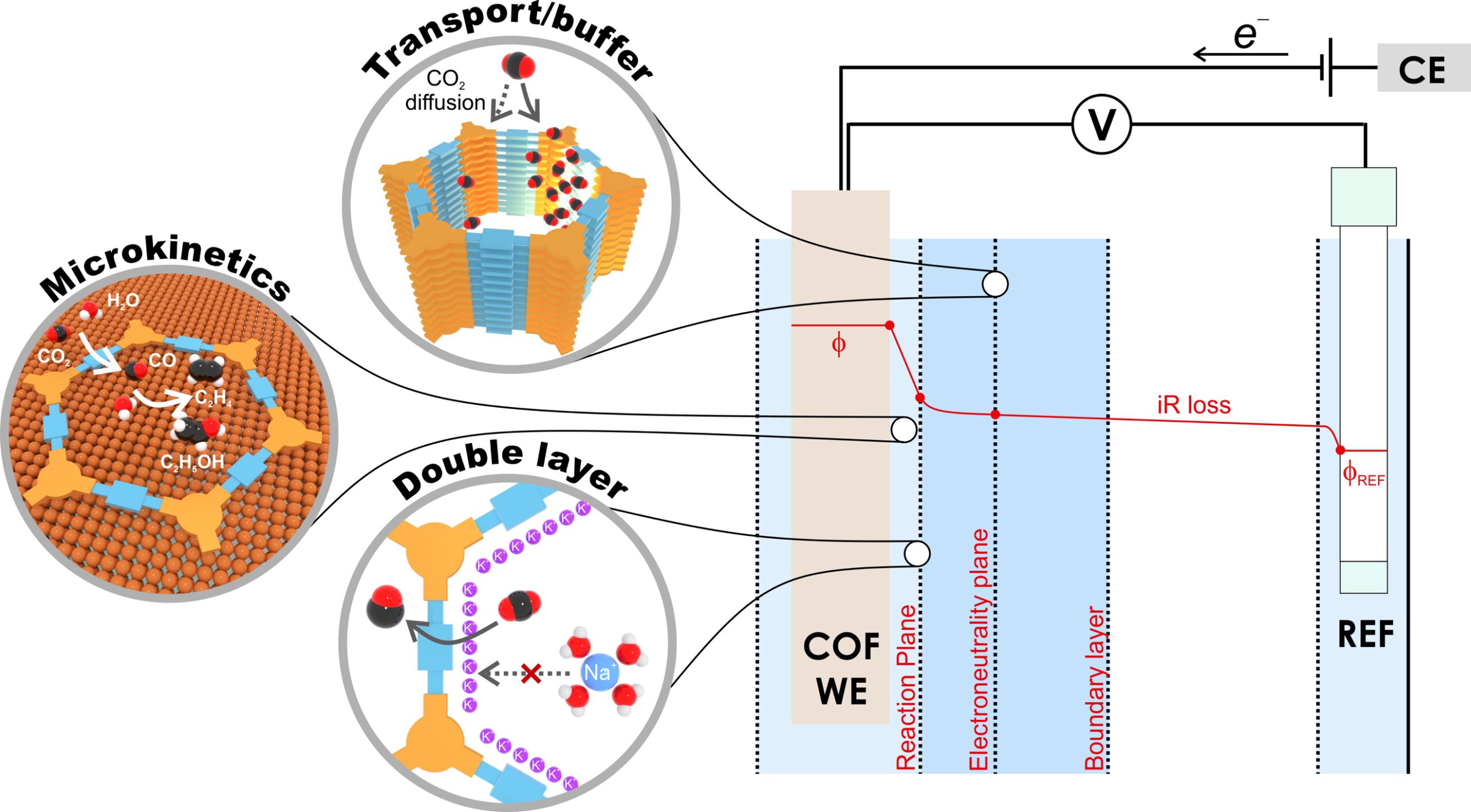
This project aims to understand, model and control confinement effects on the electrocatalytic CO2 reduction reaction (CO2RR) in the atomically precise pores of covalent organic frameworks (COFs). We will integrate COF design, advanced electrochemistry and theoretical modelling in a tight feedback loop to arrive at a fundamental understanding of CO2RR reactivity under confinement. Confinement effects to be studied include (i) CO2 capture and oversolubility in mesopores, (ii) increase of CO2RR vs. hydrogen evolution reaction selectivity via control of the local pH, mass transport and electrochemical double layer, and (iii) selectivity enhancement for multicarbon (C2+) products by tandem catalysis.
Research focus in the first funding period (2018-2022):
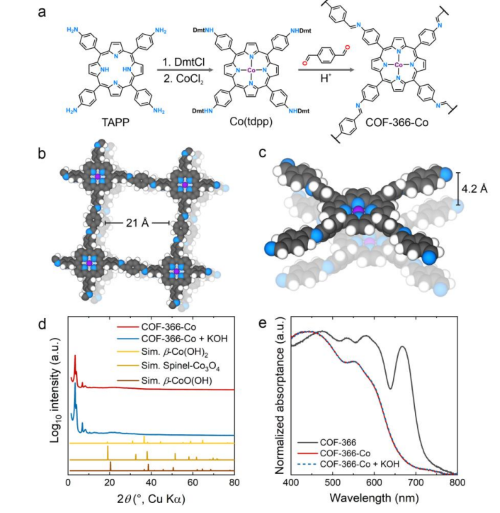
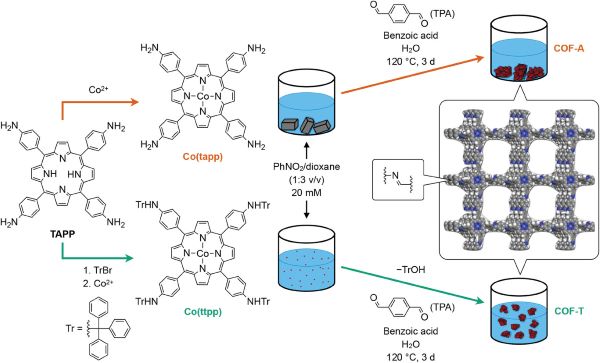
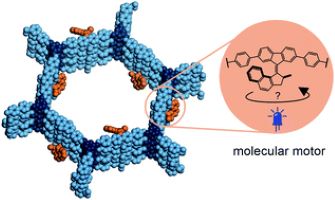
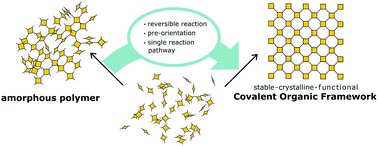
Covalent organic frameworks as tailored substrates with molecularly defined pores for molecular heterogeneous catalysis.
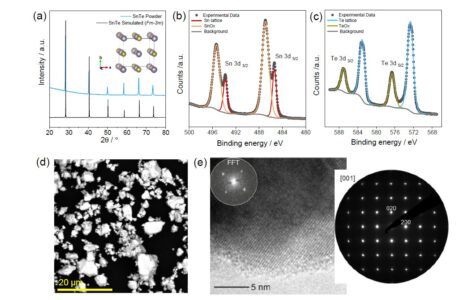
Decoding the Role of Tin Telluride as Electrochemical CO2 Reduction Catalyst
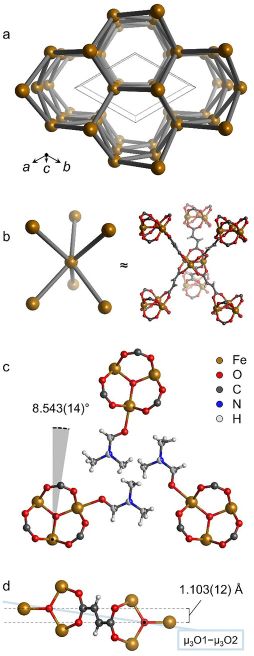
Elucidating the Structure and the Impact of Synthesis Methods on the Flexibility of the Metal-Organic Framework MIL-88 A (Fe) During Water Capture
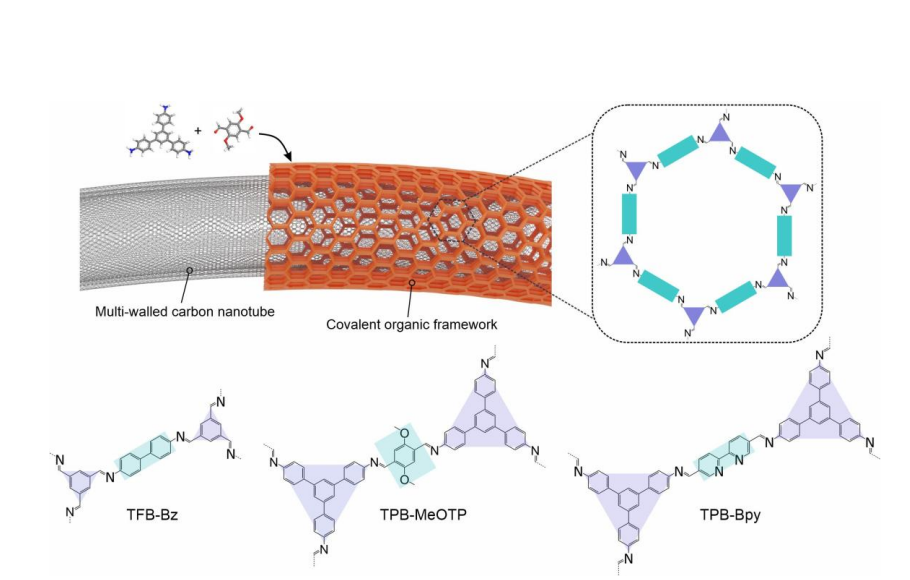
Mixed-Length Multivariate Covalent Organic Framework for Combined Near-Infrared Photodynamic Therapy and Drug Delivery
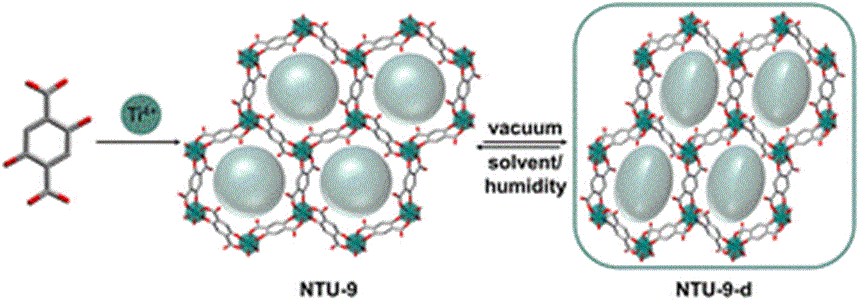
Dynamic breathing behaviour of the titanium-based metal–organic framework NTU-9 upon adsorption of water and organic solvents
Linker-Cluster Cooperativity in Confinement of Proline-Functionalized Zr-Based Metal-Organic Frameworks and its Effect on the Organocatalytic Aldol Reaction
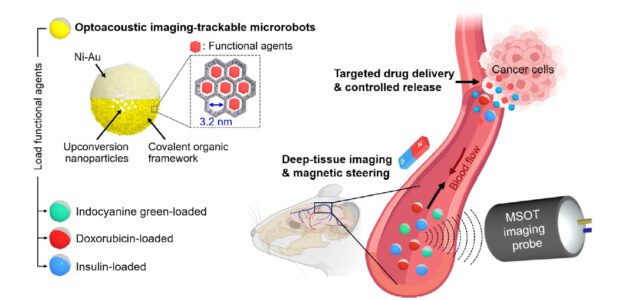
Upconversion Nanoparticle-Covalent Organic Framework Core–shell Particles as Therapeutic Microrobots Trackable With Optoacoustic Imaging
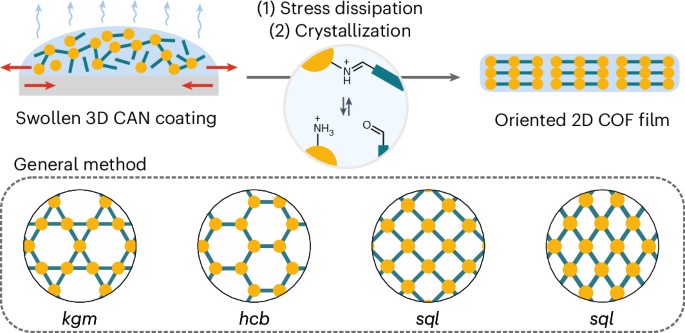
Synthesis of micrometre-thick oriented 2D covalent organic framework films by a kinetic polymerization pathway
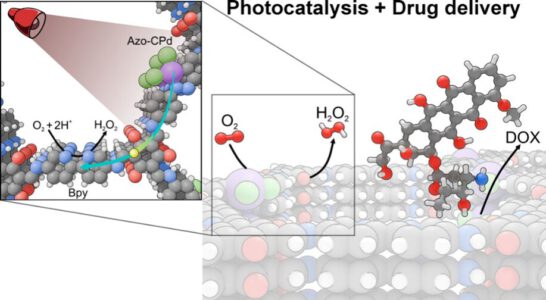
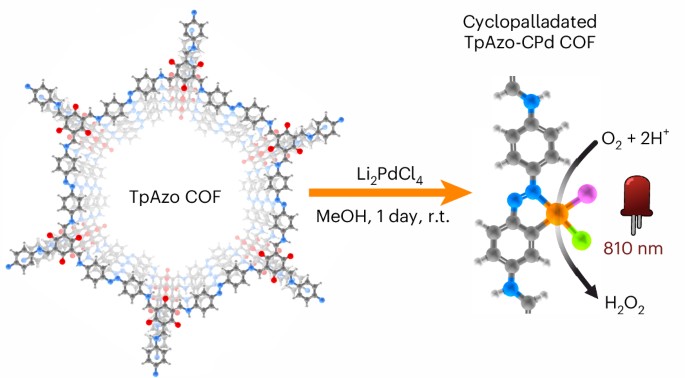
Cyclopalladation of a covalent organic framework for near-infrared-light-driven photocatalytic hydrogen peroxide production
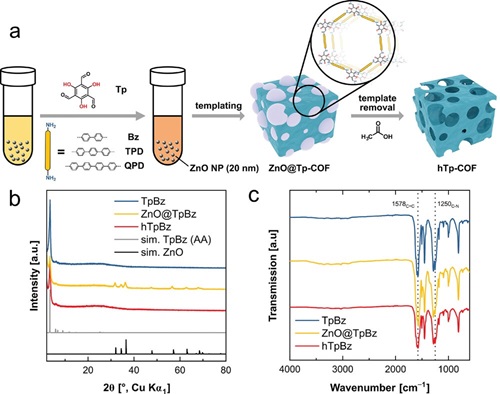
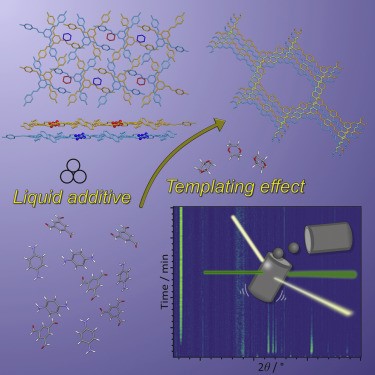
Solvothermal Template-Induced Hierarchical Porosity in Covalent Organic Frameworks: A Pathway to Enhanced Diffusivity
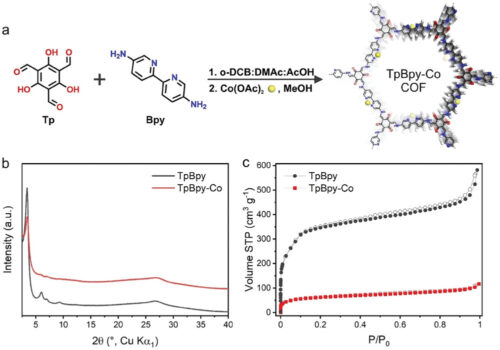
Shedding Light on the Active Species in a Cobalt-Based Covalent Organic Framework for the Electrochemical Oxygen Evolution Reaction
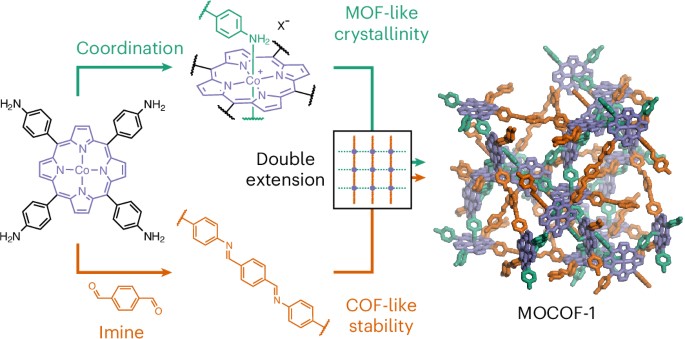
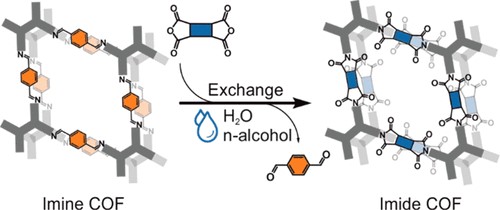
Crystalline porous frameworks based on double extension of metal-organic and covalent organic linkages
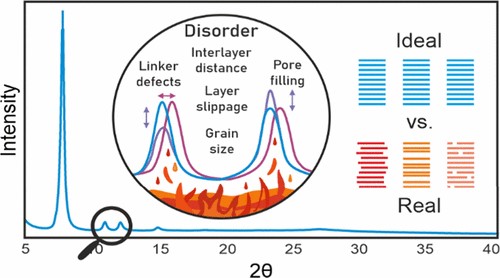
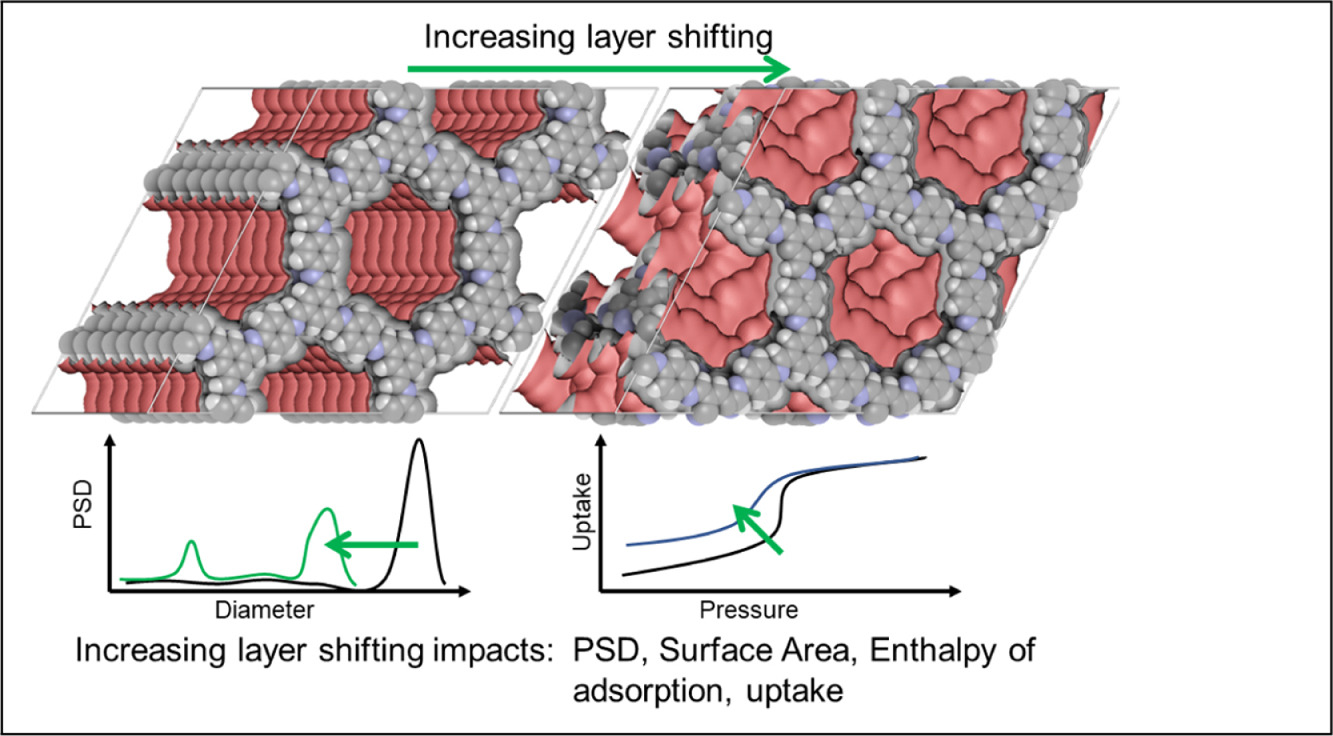
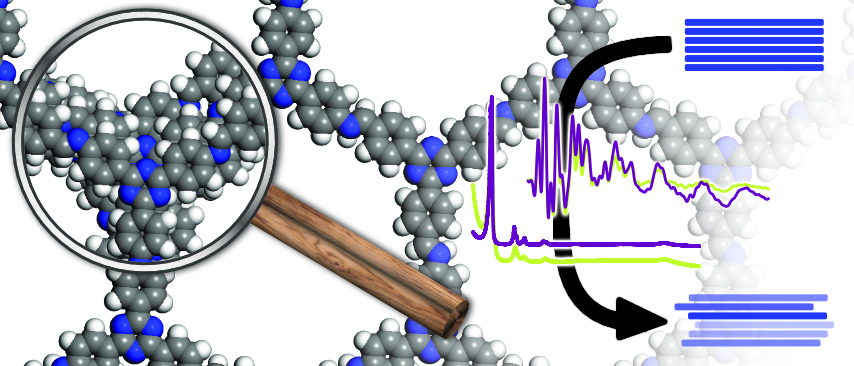
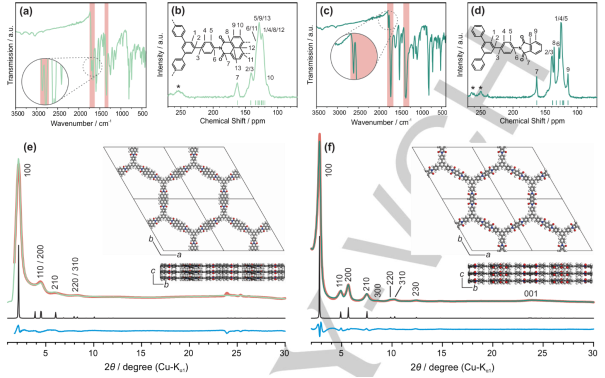
The Devil Is in the Details: Pitfalls and Ambiguities in the Analysis of X-ray Powder Diffraction Data of 2D Covalent Organic Frameworks
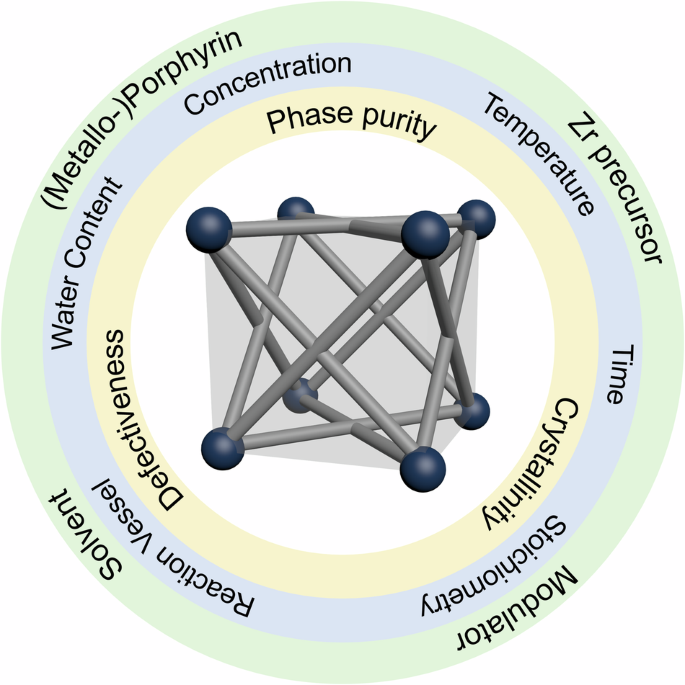
Strategies to achieve reproducible synthesis of phase-pure Zr-porphyrin metal-organic frameworks
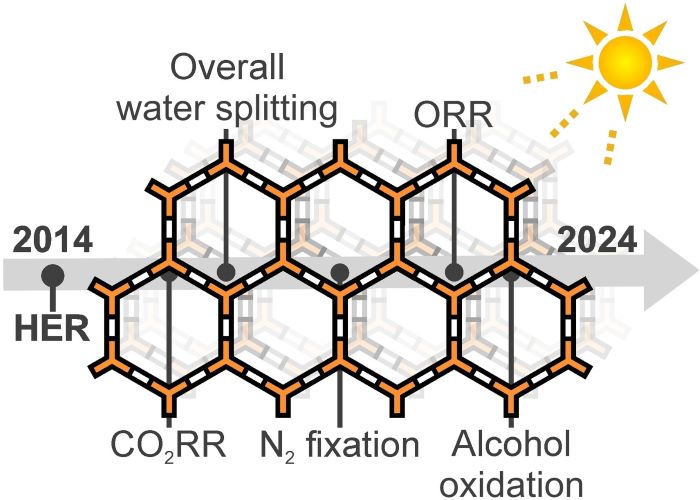
Celebrating Ten Years of Covalent Organic Frameworks for Solar Energy Conversion: Past, Present and Future
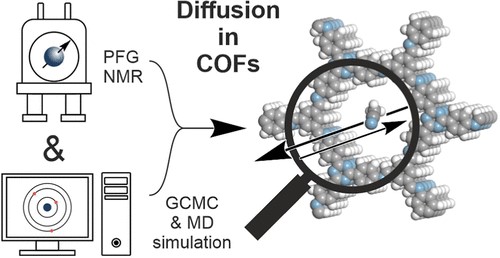
Probing Self-Diffusion of Guest Molecules in a Covalent Organic Framework: Simulation and Experiment
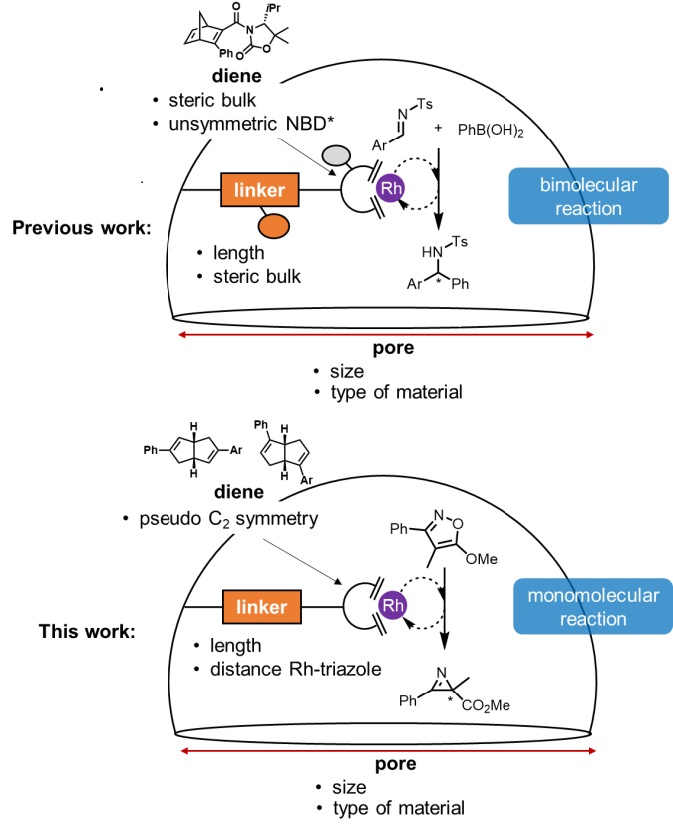
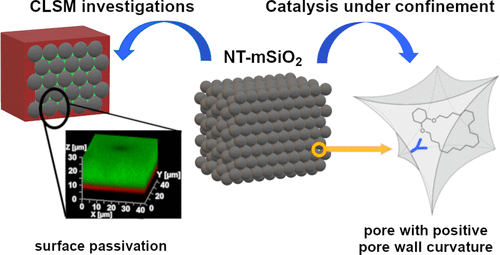
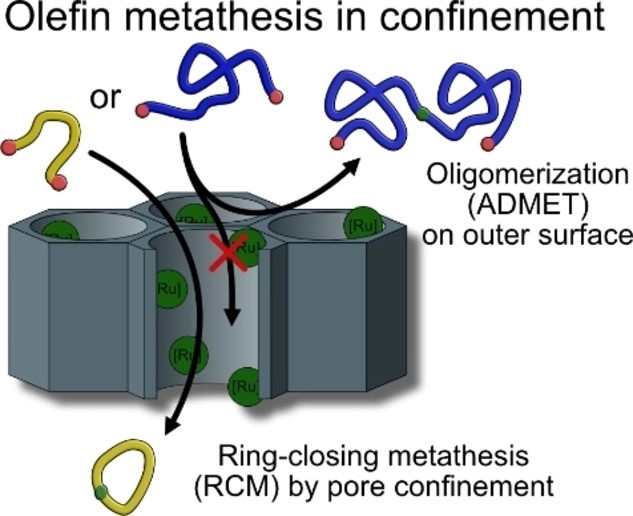
Asymmetric Rh Diene Catalysis under Confinement: Isoxazole Ring-Contraction in Mesoporous Solids
M. Marshall, Z. Dilruba, A.-K. Beurer, K. Bieck, S. Emmerling, F. Markus, Ch. Vogler, F. Ziegler, M. Fuhrer, S. S. Y. Liu, S. R.Kousik, W. Frey, Y. Traa, J. R. Bruckner, B. Plietker, M. R. Buchmeiser, S. Ludwigs, S. Naumann, P. Atanasova, B. V. Lotsch, A. Zens and S. Laschat
Eur. J. Org. Chem. 2024, 27, e202400283.